Why We Invested in WaterSense
Why We Invested in WaterSense
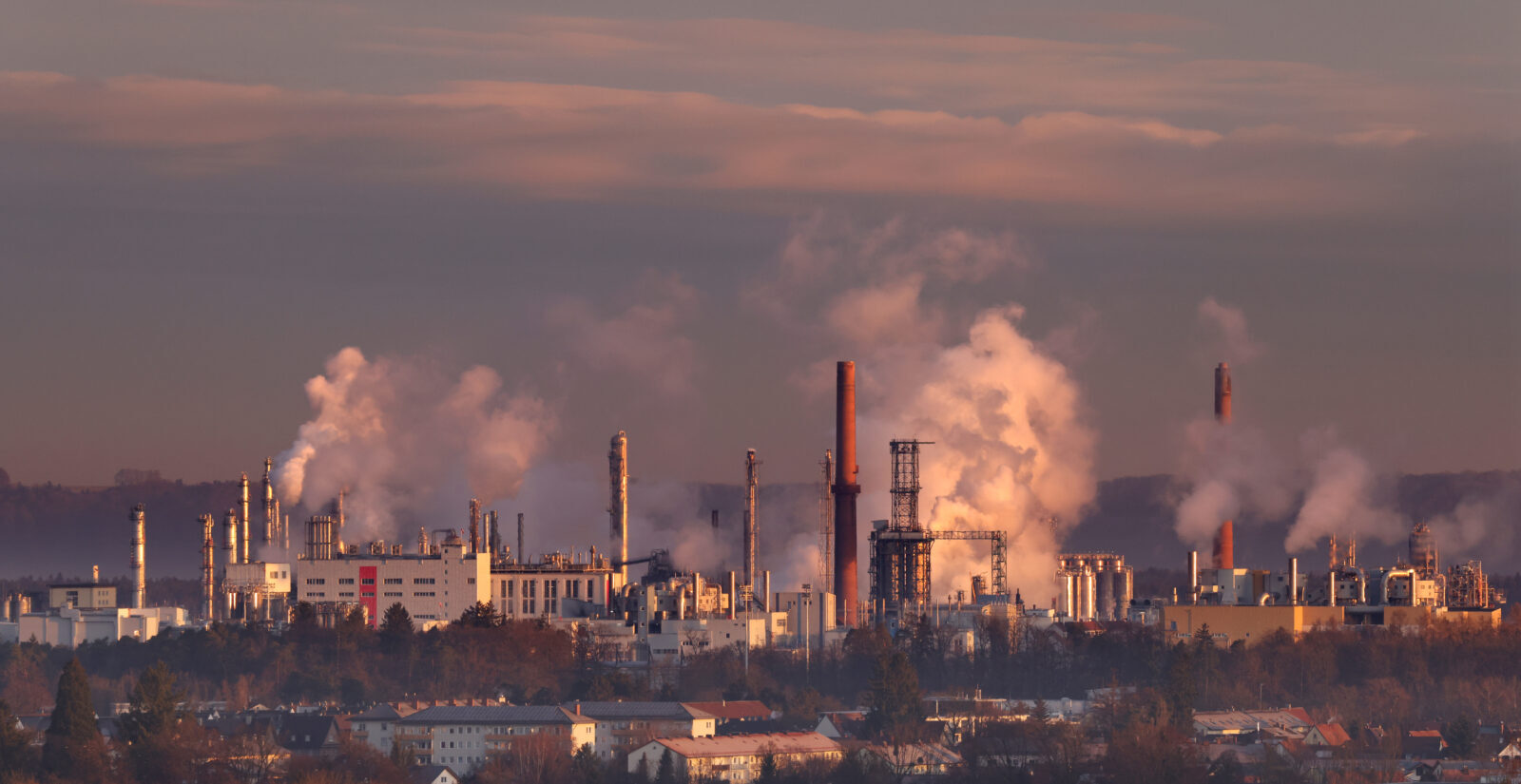
Water sustains our communities, our ecosystems and our economies. When its quality deteriorates, fish die, drinking water becomes contaminated, and businesses face disruption. In the summer of 2022, around 360 tonnes of fish died in the Oder River. That same year, companies reporting to the Carbon Disclosure Project (CDP) identified USD 392bn in potential financial impacts from water-related risks.
Protecting water starts with understanding what is happening beneath the surface. Yet monitoring still often relies on manually collected samples, leaving those responsible waiting days for answers while conditions keep changing.
This is why we invested in WaterSense: WaterSense's proprietary sensor technology monitors water quality autonomously around the clock. Its water intelligence platform turns those readings into a clear view of changing conditions, helping customers identify risks early and decide when to act.
Making continuous measurement practical
Monitoring water quality continuously is still difficult in practice. Sensors placed directly in the water can take readings around the clock, but biological material can build up on their surfaces. This buildup, known as biofouling, can distort readings and requires frequent maintenance. Manual and automated sampling can sidestep this biofouling problem, but they provide only snapshots and involve high labor and supply costs.
WaterSense addresses these challenges with a sensor system that founder and CEO Filip Budny developed during his PhD research at Warsaw University of Technology. WaterSense’s stations hold hundreds of low-cost, miniature printed sensors that are automatically replaced every 24 hours. This helps prevent biofouling and reduces servicing needs, making continuous in-field measurement scalable across a wide range of parameters.
Building on this sensor technology, WaterSense is working to connect measurements collected directly from the water with satellite observations. The company has secured EUR 3.5m in non-dilutive funding from Poland’s National Centre for Research and Development (NCBR) to develop its sensor technology further, including the ability to measure nutrient ions such as ammonium, nitrate and orthophosphates, inorganic ions such as fluoride, heavy metals such as lead, and microbiological parameters such as E. coli.
From individual sites to connected systems
WaterSense already monitors more than 80 points for over 30 customers in four European countries. Its customers include industrial operators, water utilities, cities and regional authorities. Under its Data-as-a-Service model, WaterSense operates the monitoring stations, and customers pay for continuous access to water quality intelligence.
The commercial opportunity extends beyond individual monitoring sites. A single river supports factories, drinking water suppliers, agriculture and communities along its course. Each depends on its water quality, and changes upstream can affect operations far downstream. This creates demand for a shared view of the whole system, with different customers using the same underlying data to make different decisions. WaterSense’s Data-as-a-Service model creates the opportunity to serve multiple customers from shared monitoring infrastructure, expanding the revenue potential of each deployment.
A planned rollout on the Oder River is a step toward this broader ambition and the new funding will support the company’s expansion across Europe.
A data advantage that grows over time
WaterSense collects large volumes of ground-truth data every day across a growing range of water quality parameters. By owning the collection infrastructure, it builds a record of how water quality changes at each site over time. That history can help distinguish an unusual reading from a familiar seasonal shift. Each new measurement also gives WaterSense a way to check its forecasts against what actually happened and refine them. The longer a station operates, the harder that history becomes to replicate and the more valuable the service can become for customers.
If that added value drives demand for more stations, each new deployment brings in data that can improve the service further. That’s what we call a nature data flywheel, an idea we explored in our earlier article on data moats.
A team built around the problem
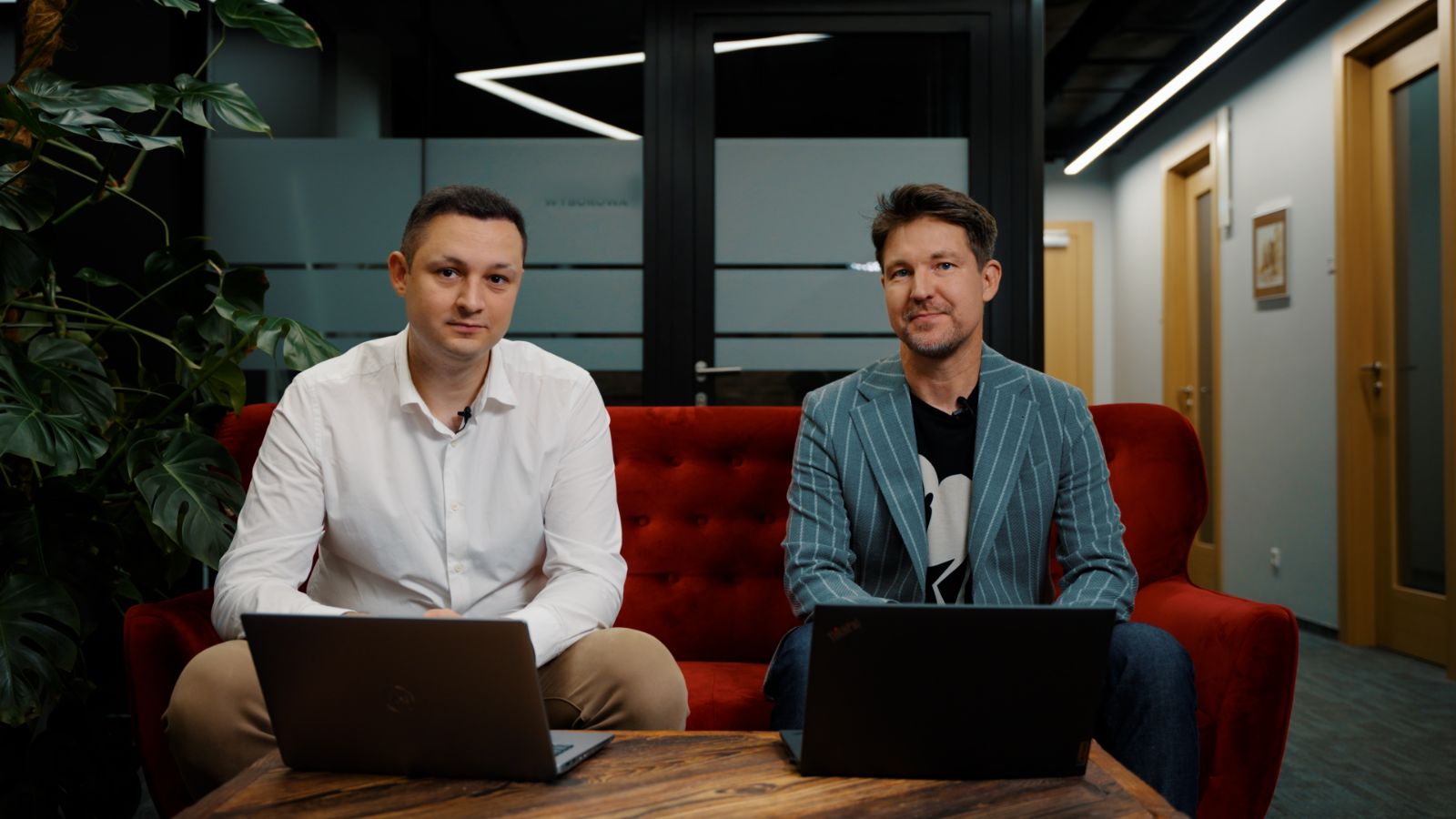
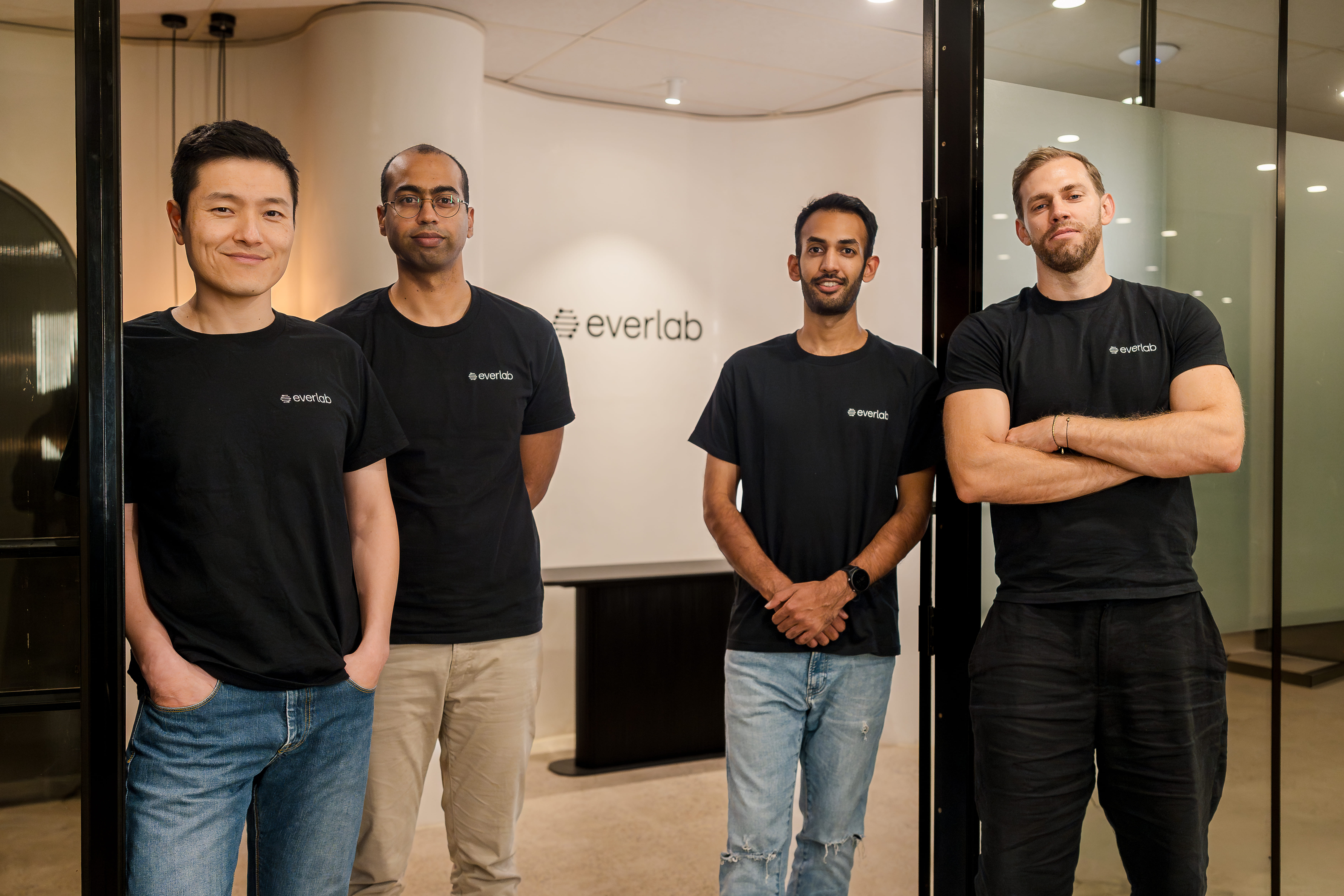
Filip Budny’s research laid the foundation for WaterSense’s sensor technology. His co-founders, Mateusz Korona and Kacper Orzeszko, bring in expertise in hardware and software. Together, they have taken WaterSense from research to deployments ranging from alpine lakes in Austria to urban water systems.
We backed Filip, Mateusz and Kacper because they bring together the scientific depth and execution capabilities this challenge demands. In our conversations, they combined a clear ambition for the company with a practical understanding of customer needs and the challenges of deploying technology in the field.
We believe WaterSense has the potential to become essential infrastructure for water-dependent industries and utilities, providing the intelligence they need to keep operations running, meet quality standards and anticipate risks before they become costly disruptions.

The Author
Team