

Science, Sovereignty and Europe’s Entrepreneurial Edge
Science, Sovereignty and Europe’s Entrepreneurial Edge
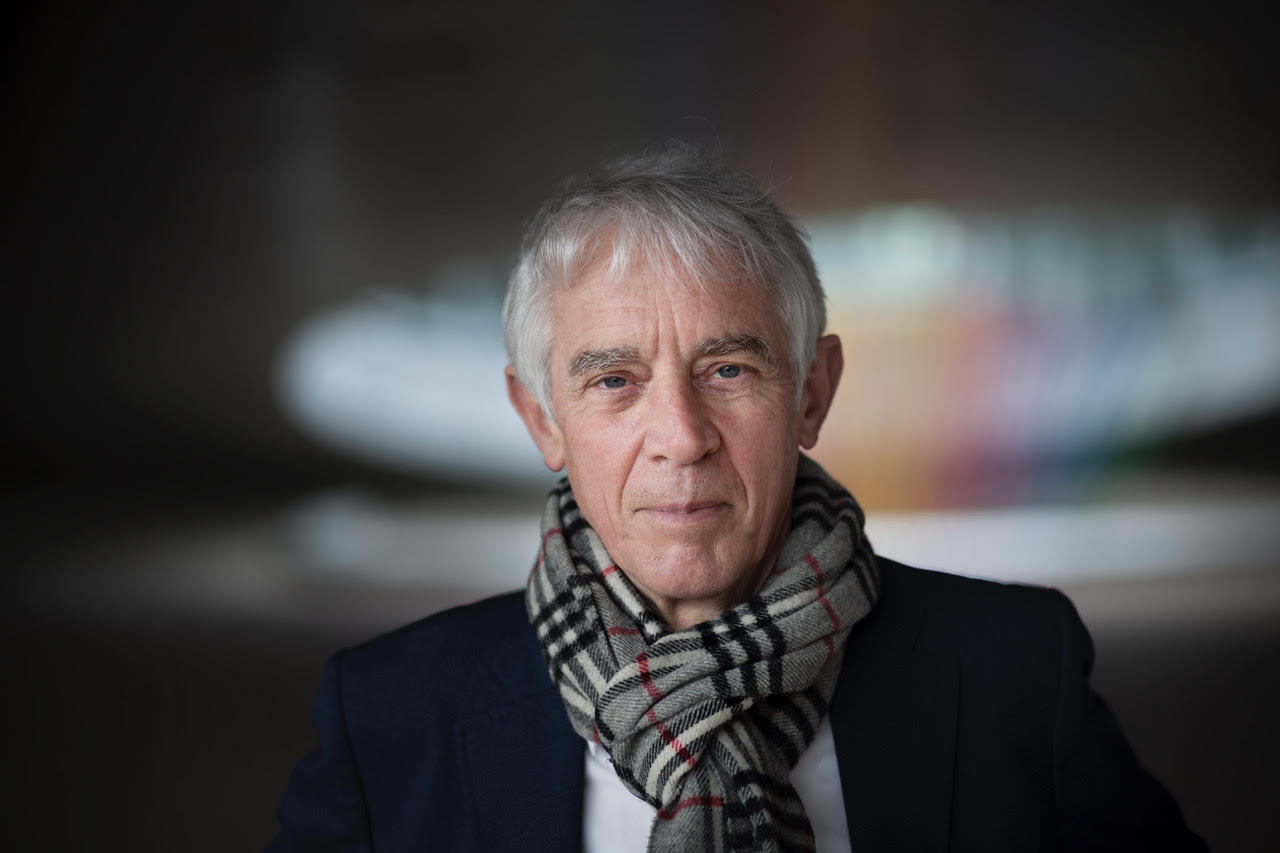
Martin Vetterli is a scientist, academic leader, former president of EPFL and newly appointed Venture Partner at b2venture. In this edited conversation, Florian Schweitzer speaks with him about backing young founders, AI’s impact on discovery, Europe’s path to technological sovereignty and the education system we will need next.
Florian Schweitzer (FS): You have backed roughly two dozen PhD students and postdocs who went on to start companies as an angel investor. Why did you do it?
Martin Vetterli (MV): It was primarily a matter of loyalty, not a retirement strategy. These people had taken a risk by working with me, and I had helped them grow into independent researchers. Investing was a way to show that I genuinely believed in them. In that sense, writing a cheque was another strong signature – alongside signing their thesis.
FS: Would you encourage other professors to follow your example?
MV: Yes, but with restraint. A professor should not take an outsized position or try to control a company that emerges from the lab. The purpose of a PhD is to help someone become independent; if that person becomes an entrepreneur, independence matters even more. There is an inherent imbalance of power between professor and student, so the boundaries have to be very clear.
FS: In your honorary lecture, you argued that science optimism can overcome technology pessimism. How is AI now impacting scientific discovery?
MV: We are witnessing a phase transition in how discovery is done. AI is changing both the speed and the methods of scientific work, with effects already visible in mathematics, software development, theoretical computer science and protein design. I am very optimistic about AI for science – but it must be used carefully. Huge amounts of capital can distort incentives and encourage spectacular announcements before results have been properly verified.
Science has an important safeguard: results can be tested and falsified. If a claim is wrong, that usually becomes apparent. The deeper concern is concentration. If only very large, for-profit corporations can afford frontier research, the outcome may not serve society as a whole.
FS: Could open models create an opportunity for Europe?
MV: Europe has been a laggard in computer science for decades – not because it lacks talent or research, but because it failed to turn them into leadership and technology transfer. The World Wide Web was created at CERN, yet Europe did not build the next layer of dominant technology. It also failed to respond decisively after losing the search-engine era.
Now Europe has little choice but to embrace these technologies while making critical capabilities sovereign. Initiatives such as Switzerland’s open-model efforts are steps in the right direction, and we need many more. Sovereignty is also a market opportunity: software designed from the ground up for security and independence will appeal far beyond Europe. Proton is a good illustration of how trust and jurisdiction can become product advantages.
FS: Where could Europe’s first trillion-euro technology company emerge?
MV: Probably not from another general-purpose AI model; that field is already intensely funded. The more promising opportunity is where AI meets the physical world: robotics, advanced manufacturing and high-precision engineering. Europe remains strong there. Companies such as Airbus and ASML show what becomes possible when physics, engineering, software and a sophisticated supplier network come together.
That industrial depth cannot be recreated overnight. The Alpine region, from Lausanne and Zurich to Munich, has generations of mechanical expertise and apprenticeship-based training. Building machines at the frontier requires excellence at every level – not only a small group of software engineers. Europe should build on that durable advantage.
FS: What must education do differently as AI reshapes entry-level work?
MV: The challenge spans from schools to universities. Students still need to learn the fundamentals without outsourcing their thinking, so they can read, write, reason and challenge an answer independently. At university level, we should expand the dual-track approach already common in engineering. EPFL students spend at least six months in industry, and many complete their master’s thesis there. As b2venture investor Konrad Hummler recently proposed in an article for the Neue Zürcher Zeitung, law students could likewise combine academic study with practical work in law firms.
Employers increasingly say they want experienced people, but without entry-level opportunities there will be no experienced people later. Integrating meaningful work into study is one practical way out of that conundrum.
FS: And how can Europe produce, attract and let grow more successful entrepreneurs?
MV: We should not aim for more dropouts; we should make universities more welcoming to entrepreneurs so that talented founders do not feel they have to leave. Entrepreneurs are like artists: they are driven to create something new, yet rigid curricula often leave them little room. We need entrepreneurial space – small grants, flexible pathways and places where ideas can ignite early. Europe can learn from Silicon Valley without copying it. The ingredients are here; what is still missing is a greater tolerance for risk.
FS: Thank you, Martin.
Martin Vetterli is a scientist, academic leader, former president of EPFL and newly appointed Venture Partner at b2venture. In this edited conversation, Florian Schweitzer speaks with him about backing young founders, AI’s impact on discovery, Europe’s path to technological sovereignty and the education system we will need next.
Florian Schweitzer (FS): You have backed roughly two dozen PhD students and postdocs who went on to start companies as an angel investor. Why did you do it?
Martin Vetterli (MV): It was primarily a matter of loyalty, not a retirement strategy. These people had taken a risk by working with me, and I had helped them grow into independent researchers. Investing was a way to show that I genuinely believed in them. In that sense, writing a cheque was another strong signature – alongside signing their thesis.
FS: Would you encourage other professors to follow your example?
MV: Yes, but with restraint. A professor should not take an outsized position or try to control a company that emerges from the lab. The purpose of a PhD is to help someone become independent; if that person becomes an entrepreneur, independence matters even more. There is an inherent imbalance of power between professor and student, so the boundaries have to be very clear.
FS: In your honorary lecture, you argued that science optimism can overcome technology pessimism. How is AI now impacting scientific discovery?
MV: We are witnessing a phase transition in how discovery is done. AI is changing both the speed and the methods of scientific work, with effects already visible in mathematics, software development, theoretical computer science and protein design. I am very optimistic about AI for science – but it must be used carefully. Huge amounts of capital can distort incentives and encourage spectacular announcements before results have been properly verified.
Science has an important safeguard: results can be tested and falsified. If a claim is wrong, that usually becomes apparent. The deeper concern is concentration. If only very large, for-profit corporations can afford frontier research, the outcome may not serve society as a whole.
FS: Could open models create an opportunity for Europe?
MV: Europe has been a laggard in computer science for decades – not because it lacks talent or research, but because it failed to turn them into leadership and technology transfer. The World Wide Web was created at CERN, yet Europe did not build the next layer of dominant technology. It also failed to respond decisively after losing the search-engine era.
Now Europe has little choice but to embrace these technologies while making critical capabilities sovereign. Initiatives such as Switzerland’s open-model efforts are steps in the right direction, and we need many more. Sovereignty is also a market opportunity: software designed from the ground up for security and independence will appeal far beyond Europe. Proton is a good illustration of how trust and jurisdiction can become product advantages.
FS: Where could Europe’s first trillion-euro technology company emerge?
MV: Probably not from another general-purpose AI model; that field is already intensely funded. The more promising opportunity is where AI meets the physical world: robotics, advanced manufacturing and high-precision engineering. Europe remains strong there. Companies such as Airbus and ASML show what becomes possible when physics, engineering, software and a sophisticated supplier network come together.
That industrial depth cannot be recreated overnight. The Alpine region, from Lausanne and Zurich to Munich, has generations of mechanical expertise and apprenticeship-based training. Building machines at the frontier requires excellence at every level – not only a small group of software engineers. Europe should build on that durable advantage.
FS: What must education do differently as AI reshapes entry-level work?
MV: The challenge spans from schools to universities. Students still need to learn the fundamentals without outsourcing their thinking, so they can read, write, reason and challenge an answer independently. At university level, we should expand the dual-track approach already common in engineering. EPFL students spend at least six months in industry, and many complete their master’s thesis there. As b2venture investor Konrad Hummler recently proposed in an article for the Neue Zürcher Zeitung, law students could likewise combine academic study with practical work in law firms.
Employers increasingly say they want experienced people, but without entry-level opportunities there will be no experienced people later. Integrating meaningful work into study is one practical way out of that conundrum.
FS: And how can Europe produce, attract and let grow more successful entrepreneurs?
MV: We should not aim for more dropouts; we should make universities more welcoming to entrepreneurs so that talented founders do not feel they have to leave. Entrepreneurs are like artists: they are driven to create something new, yet rigid curricula often leave them little room. We need entrepreneurial space – small grants, flexible pathways and places where ideas can ignite early. Europe can learn from Silicon Valley without copying it. The ingredients are here; what is still missing is a greater tolerance for risk.
FS: Thank you, Martin.

The Author

Florian Schweitzer
Founding Partner
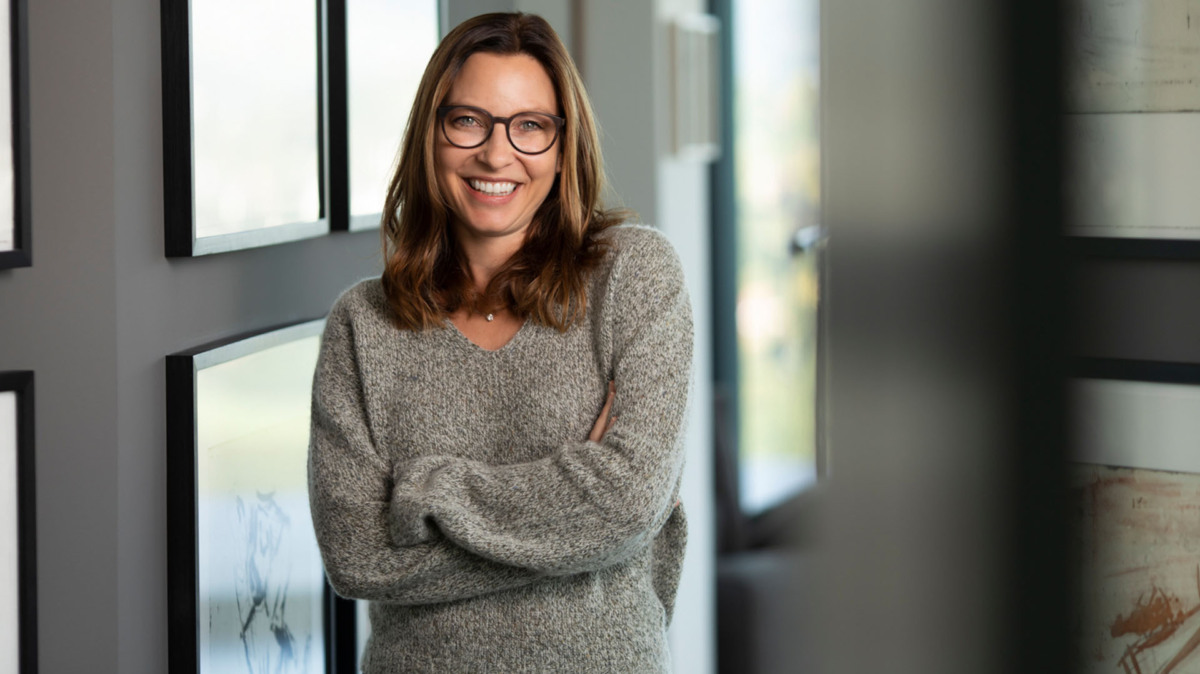
Florian Schweitzer is a founding partner of b2venture and part of the firm’s b2venture Fund Team. He co-founded the firm in 2000 and has led the organization throughout its history to become a unique venture capital firm investing across Europe together with its angel investor community.
Team






.png)
.jpg)


.jpg)
.jpg)
.jpg)










.png)


.jpg)
-min.png)


.jpg)


.jpg)